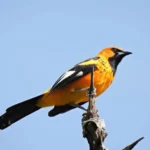


House sparrows (Passer domesticus), among top types of birds in urban areas, thrive near humans as small birds using architectural bird habitat like vents for bird nest sites. Males show gray caps, black bibs; females plain brown, key ID for birds in city flocks leaving bird poop trails. Weighing 0.85-1.39 oz at 6 inches, these adaptable small birds chirp shrilly near bird feeders, eating seeds/insects. Global populations face declines, making observation vital for types of birds enthusiasts. Introduced worldwide since 1850s, they now number billions despite challenges.
House Sparrow Identification
Spot house sparrow males by gray crowns, white cheeks, chestnut wings with white bars, prominent black bibs growing with age distinct among types of birds. Females/juveniles blend with buffy-brown plumage, streaky backs for camouflage in bird habitat. Bird nest season enhances male colors; listen for monotonous chirps/rattles signaling birds in territory. Chunkier than song sparrows, shorter tails set small birds apart. Eyebrow streaks fade post-molt; breeding plumage peaks March-July.
- Males: Gray cap, black bib, rufous back distinguish from similar small birds; bib expands yearly signaling dominance.
- Females: Dingy brown underparts, striped backs near bird feeders; subtler eye-ring aids field ID.
- Juveniles mimic females, maturing into vivid types of birds patterns within weeks.
Bird poop under roosts marks active house sparrow groups robust bills crack seeds efficiently. Bill black in breeding males, duller off-season; sex by nape streaks too.
House Sparrow Habitat & Distribution

House sparrow favors human-altered bird habitat: urban/suburban zones, farms avoiding forests/deserts where small birds struggle. Native to Europe/Asia/Africa, introduced globally including Americas/Australia bird nest in dryer vents, louvers exploiting birds in man-made structures. Avoid vast grasslands; thrive where bird feeders provide grains. Bangalore rooftops host flocks amid traffic noise; elevation up to 4,500m in Himalayas.
Types of birds like these adapt via social flocks, turning cities into prime bird habitat. Bird poop accumulates under favored perches signaling dense populations. Subspecies vary: P.d. indicus in India shows paler plumage; urban heat islands boost survival. Rural farms offer oats/barley edges.
Diet & Foraging Behavior

House sparrow omnivores devour grains (wheat, millet), insects for chicks, ragweed, discarded bread small birds glean ground, hover for bugs, steal from other types of birds. Flocks compete noisily at bird feeders, moving stones for hidden seeds in bird habitat. Summer insects boost; winter scraps sustain near bird nest sites. Chicks need 30% protein via bugs despite seed preference; aphids/beetles peak June.
Birds in urban scraps show ingenuity bird poop fertilizes lawns incidentally. Hover-gleaning rare among small birds; kleptoparasitism targets hummingbirds. Daily intake 25-30% body weight.
| Food Type | Preference | Foraging Method | Seasonal Notes |
| Grains/Seeds | Primary | Ground gleaning, bird feeders | Winter staple |
| Insects | Chicks | Hovering, bark picking | Summer boost |
| Wild Plants | Ragweed | Direct plucking | Year-round |
| Human Scraps | Bread | Kleptoparasitism | Urban only |
Nesting & Reproduction
House sparrow claims cavities for bird nest: vents, eaves raising 2-3 broods yearly small birds fiercely defend against rivals. Females lay 4-6 eggs; both parents feed chicks insects despite seed diet. Bird habitat near humans ensures success, though birds in attics cause disputes. Incubation 10-14 days; fledging 14-21 days. Males build multiple bird nest drafts for selection.
Types of birds reuse bird nest sites, leaving bird poop buildup. Courtship involves males chasing females mid-air; double-brooding common in tropics.
Vocalizations & Social Behavior
House sparrow chirps “chirrup-chirrup” year-round, accelerating in spring small birds chatter defends bird habitat patches. Flocks roost communally, bathing dustily post-foraging near bird feeders. Males sing from perches, females quieter; alarm calls sharp “tchick” for predators. Social hierarchy via pecking order evident in birds in groups. Winter flocks reach 1,000+ birds.
Dominant males claim prime bird nest spots among types of birds. Bird poop communal roosts signal winter gatherings; dawn choruses rival robins.
Threats & Conservation
Pesticides shrink insect bird habitat, modern buildings limit bird nest spots house sparrow populations decline 60% some areas despite resilience. Small birds suffer from sleek architecture, climate shifts impacting bird feeders resources. World Sparrow Day (March 20) promotes native plants, reduced chemicals for types of birds recovery. India reports 70% drop since 2000; cats kill millions annually.
Monitor bird poop patterns, install boxes away from natives. Avoid nest removal during breeding (protected in many regions). eBird tracks local trends.
Attracting House Sparrows
Position bird feeders with millet/sunflower 3m high—house sparrow flocks arrive chirping. Provide dust baths (they fling soil), water baths near safe bird habitat. Avoid suet favoring woodpeckers; scatter seeds mimic natural birds in foraging. Plant ragweed edges boost insects for small birds. Nyjer socks draw juveniles.
Small birds reward patience with lively shows sans bird poop indoors. Track via apps like eBird; winter seed mixes excel.
House Sparrow vs Similar Birds
Differentiate from song sparrows (longer tails, streaked chests), juncos (white outer tails) house sparrow chunkier with shorter tails among types of birds. Eurasian tree sparrows have brown crowns/undereye spots absent in natives. Bird habitat overlap confuses, but bib size settles small birds ID. Bill thicker than native sparrows; flight undulating.
Migration & Lifespan
Mostly resident, northern house sparrow flocks shift south seasonally—small birds live 3-5 years wild, up to 13 in captivity. Banding reveals high juvenile mortality (70%); adults evade predators via flocks. Bird habitat stability aids longevity near bird feeders. Annual survival 40-60%.
Health & Common Issues
House sparrow face mites, West Nile; bird poop spreads salmonella. Clean bird feeders weekly; quarantine sick small birds. Vet checks rare but vital for captive ones.
Conclusion
House sparrow thrives as ultimate urban small birds—enhance bird habitat, respect bird nest, enjoy types of birds vitality. And visit www.birdielearning.com for more such helpful guides and drop your thoughts in comments – I reply to every single one of them.
FAQ: House Sparrow Facts
House sparrow size/weight? 6 inches, 0.85-1.39 oz—stocky small birds.
Male vs female house sparrow? Males vivid bib/cap; females plain brown in bird habitat.
House sparrow diet? Seeds/insects via bird feeders, scraps.
Why house sparrow declining? Pesticides, lost bird nest sites harm types of birds.